Canada Admiral Stamp Varieties
Canada’s King George V Admiral stamps are one of the most actively studied areas of Canadian philately. Beyond denomination, colour, shade, paper and printing differences, many collectors are especially interested in visible design varieties that can be connected to the printing plate.
Explore Canada’s King George V Admiral stamp varieties using Marler and Beyond's searchable image focused database of constant plate varieties, re-entries, retouches and plate flaws.
Use this guide as a starting point for understanding what these varieties are and how to search for documented examples.
What are Admiral stamp varieties?
An Admiral stamp variety is a visible difference found on a stamp from Canada’s King George V Admiral issue. Some varieties relate to production, paper, shade, perforation or printing conditions. Others are design features that repeat because of something on the printing plate. Marler and Beyond is mainly concerned with that second group: constant plate varieties. These are the varieties most useful for comparison, plating, and repeated identification because the feature is connected to the plate itself.
What is a constant plate variety?
A constant plate variety, often shortened to CPV, is a repeated feature caused by the printing plate. If the same feature can be found on more than one stamp from the same affected position, it may be constant. This is different from a random mark, paper fault, handling flaw or cancellation effect. A CPV should have evidence that the feature repeats or belongs to a documented plate position.
Main types of Admiral CPVs

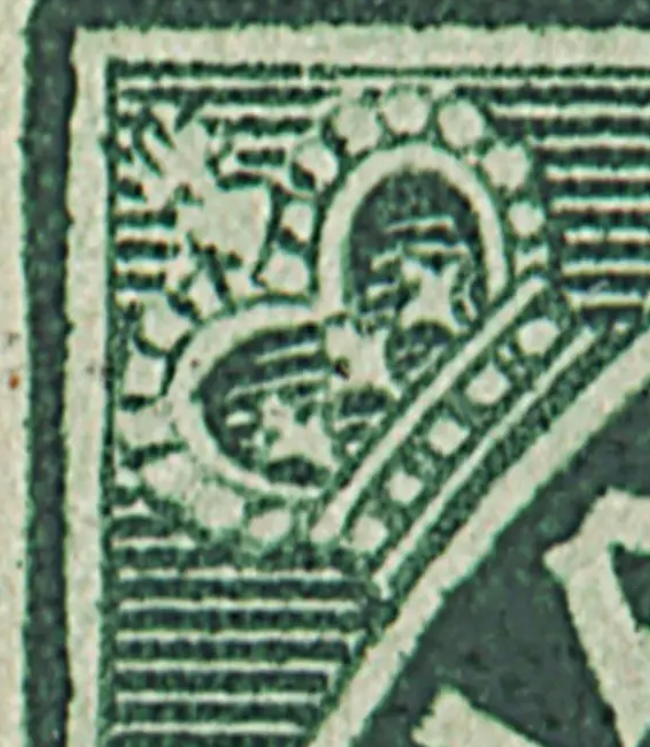
Re-entries: Extra or doubled lines caused by a repeated transfer of the design.
Retouches: Strengthened or redrawn lines made to correct weak parts of the design.
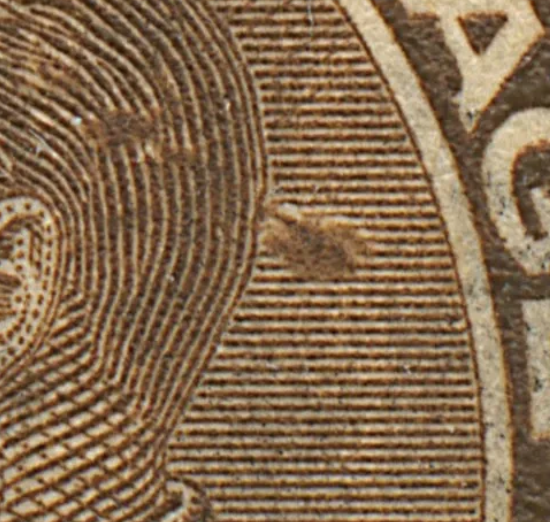
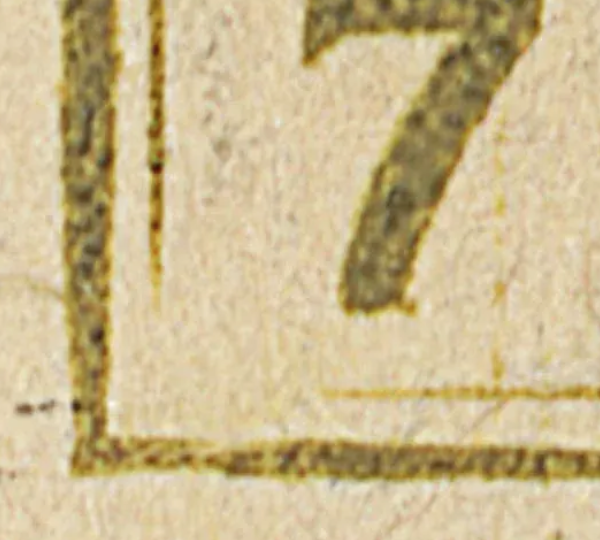
Plate flaws: Accidental marks or damage found on one stamp position from a single plate.
Defective transfers: Missing or incomplete design details built into the plate impression.
Search by denomination
Some pre-selected sample searches to try:
Search by feature
If you have a stamp in hand, you may not know the variety name yet. Start by describing what you see.
If you see doubled lines
Start with re-entries. Look for extra lines close to normal design lines, especially in lettering, frame lines, numerals, the crown or the oval.
If you see strengthened lines
Start with retouches. Look for thickened, redrawn, or corrected lines that appear different from nearby engraved details.
If you see missing or weak detail
Start with defective transfers. Look for design elements that appear incomplete, absent, or poorly formed.
If you see a scratch, dot, break or mark
Start with plate flaws or possible plate flaws. Then look for a confirming example before treating the feature as constant.
Search by zone
The zone system helps narrow the search by describing where a feature appears on the stamp. This is especially useful when a denomination has many possible varieties. If you know the denomination, CPV type and zone, you can compare fewer records and focus on the most likely matches.
Search by plate position
Some Admiral varieties can be connected to specific plate positions. Plating helps confirm that a feature is not random and can make a variety more useful to study and compare. If you already know a plate, pane or position reference, use the search tools to look for a documented match. If you do not know the position yet, begin with denomination, CPV type and zone.
How Marler and Beyond helps collectors
Marler and Beyond is designed to help collectors move from observation to comparison. Instead of relying only on a written description, you can use searchable fields, high-resolution images, zone information, tags, and plate-position references to compare your stamp with documented examples.
What you can do on the site
- Search by denomination, CPV type, zone, tag and other identifying details.
- Compare your stamp with documented images.
- Review re-entries, retouches, plate flaws, and defective transfers.
- Use the zone system to narrow possible matches.
- Study plated positions and likely constant varieties.
- Review recent additions and developing research.
Suggested search paths
Introduction to Canada Admiral Stamp Varieties
Guide 1 of 6
Search tools
Whether you are studying one stamp or building a specialized Admiral collection, the best starting point is careful observation. Identify the denomination, describe the feature, choose alikely CPV type, use the zone system and compare your stamp with documented examples.
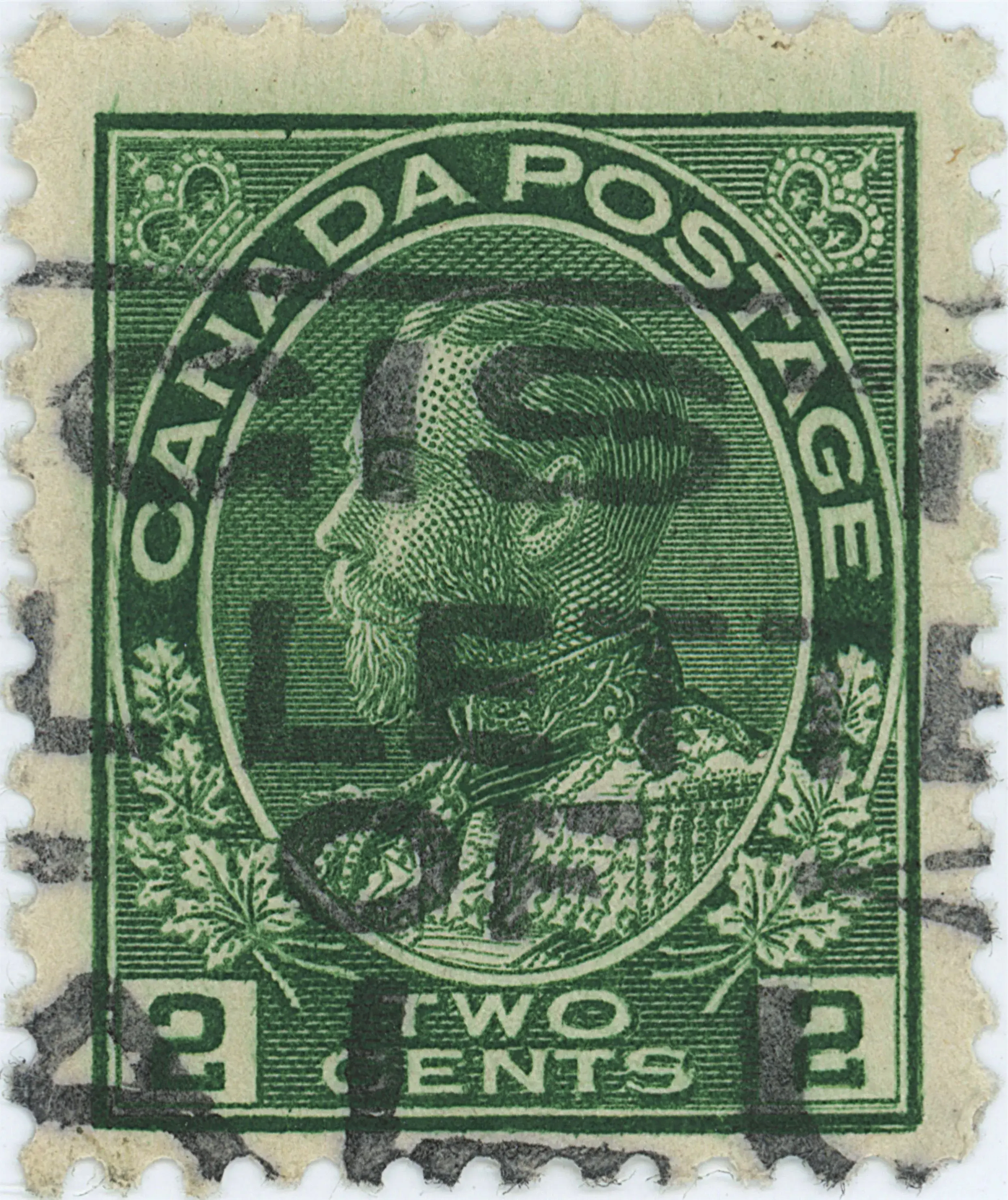
2¢ Green 161LL69
A very challenging variety
FAQ
-
Canada Admiral stamps are the King George V definitive issue that has become a major collecting area in Canadian philately.
-
Marler and Beyond focuses on constant plate varieties, including re-entries, retouches, plate flaws and defective transfers.
-
Start with the denomination and colour, then locate the unusual feature and decide whether it looks like doubling, strengthening, missing detail, or a plate flaw.
-
No. Many odd marks are caused by paper issues, printing conditions, cancellation, handling, storage or later damage. A CPV should repeat or be connected to a documented plate position.
-
No. You can begin with denomination, CPV type, and zone . The plate position may become clear after comparison with documented records.